20GW of wind turbines would produce around 44TWh of intermittent electricity over a year, and around 880 TWh of electricity over their lifetime before needing to be replaced. (Around 20 years)
3.2GW of nuclear (the Hinkley Point C reactor) would produce 22TWh of baseload electricity in a year and around 1320 TWh over there lifetime of the reactor.
It really doesn’t make sense to compare build costs here. Nuclear uses fuel and that costs money. And you need to take the costs of dismantling the reactor after usage into your calculations. Wind turbines are much easier to recycle and you do not need to store the used wind for millenia
It would be even worse to have a pure nuclear grid than it is to have a pure wind powered one. You can at least overbuild windturbines and simply shut them down if they are not needed. Nuclear power can only deliver a constant load and can’t really be regulated fast enough to react to the changes in demand happening over a single day.


20GW of wind turbines would produce around 44TWh of intermittent electricity over a year, and around 880 TWh of electricity over their lifetime before needing to be replaced. (Around 20 years)
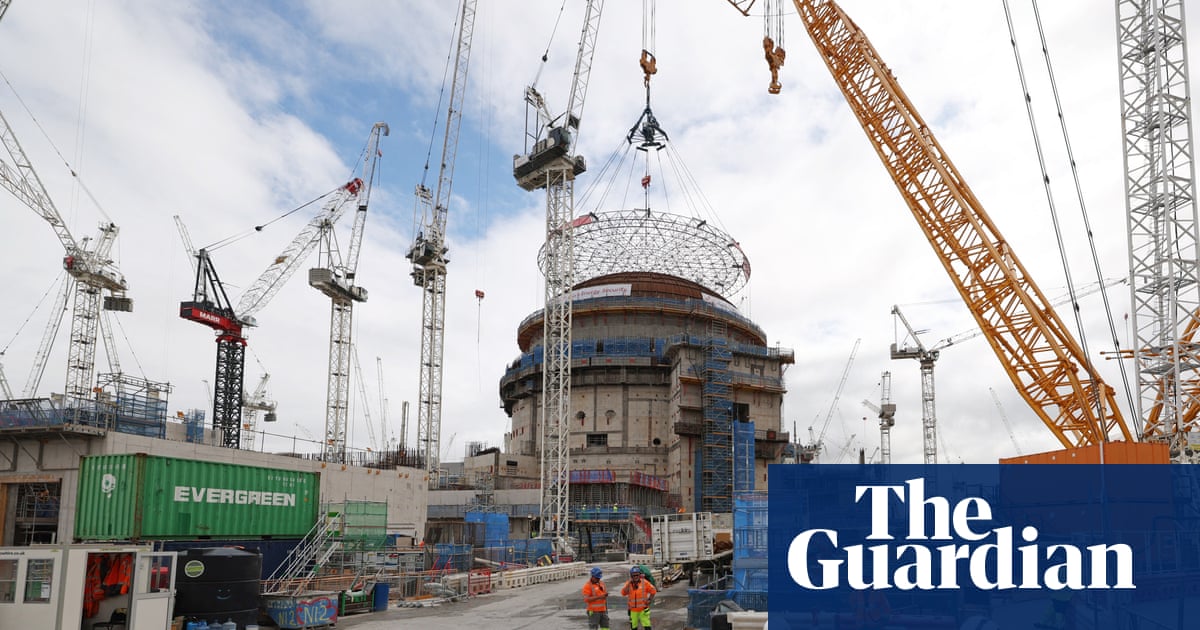
3.2GW of nuclear (the Hinkley Point C reactor) would produce 22TWh of baseload electricity in a year and around 1320 TWh over there lifetime of the reactor.
It really doesn’t make sense to compare build costs here. Nuclear uses fuel and that costs money. And you need to take the costs of dismantling the reactor after usage into your calculations. Wind turbines are much easier to recycle and you do not need to store the used wind for millenia
You can have a grid powered by wind only, but don’t expect your appliances to work 24/7.
Yeah and that is why nobody is building a grid only with wind. Some energy discussions really feel like talking to toddlers.
It would be even worse to have a pure nuclear grid than it is to have a pure wind powered one. You can at least overbuild windturbines and simply shut them down if they are not needed. Nuclear power can only deliver a constant load and can’t really be regulated fast enough to react to the changes in demand happening over a single day.